
Life in Sofia in 2025: Housing Costs, Salaries, Pros and Cons
Sofia – A City to Live in: An Honest Analysis of Bulgaria's Capital (2025)

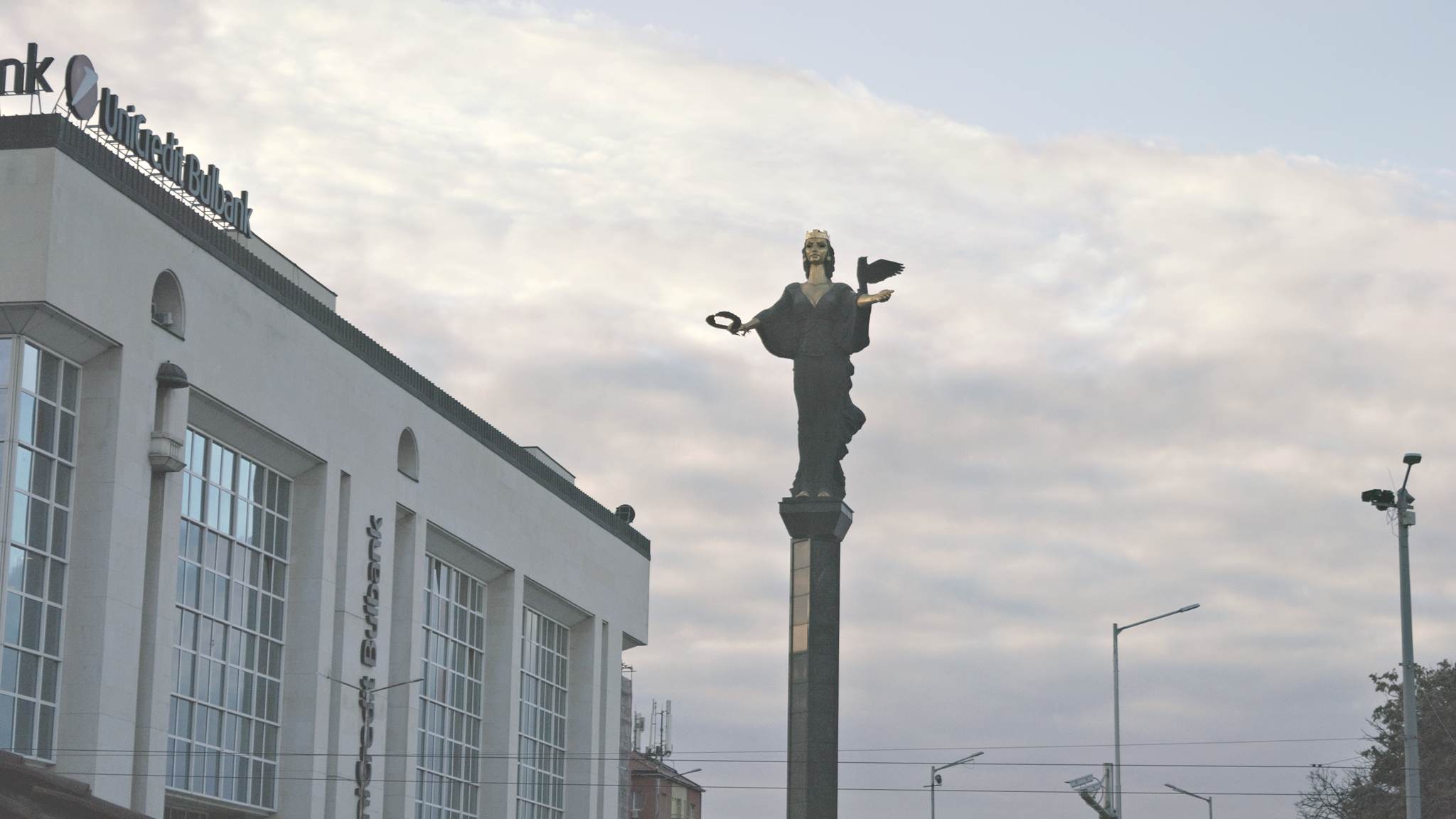
Many people planning a move to Bulgaria face a choice: a quiet life by the sea or the career opportunities of the capital? In this article, we'll weigh the pros and cons of living in the country's largest city. We'll honestly and unvarnishedly examine real estate costs, salaries, transportation, and safety, so you can decide whether Sofia is right for you.
Sofia many photos
Population and scale: a spacious capital
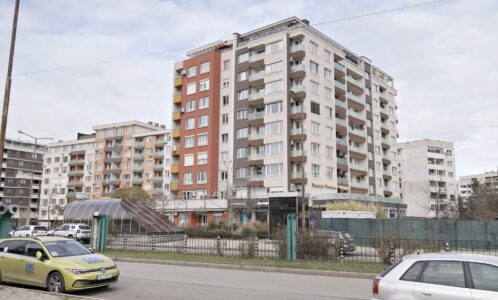
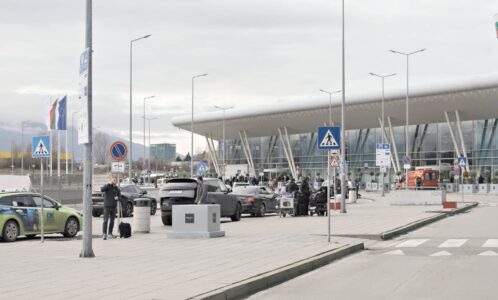
Sofia is a city that defies stereotypes about cramped European capitals. The city's coat of arms proclaims, "Growing, but never aging." And that's truly true. The city is constantly expanding, attracting young people and businesses, yet retains a surprising sense of spaciousness. It lacks the heavy weight of concrete that quickly wears you out in megacities.
As of 2025, Sofia's population is approximately 1.28 million. It is the largest city in Bulgaria and one of the 13 largest in the European Union. Sofia consistently ranks among the top 10 most spacious capitals in Europe. Its population density is eight times lower than that of Paris and three times lower than that of neighboring Bucharest. For residents, this means more greenery, less of a "crowded" feeling, and less stress from overcrowding.
Transport: The Metro That Breaks Stereotypes
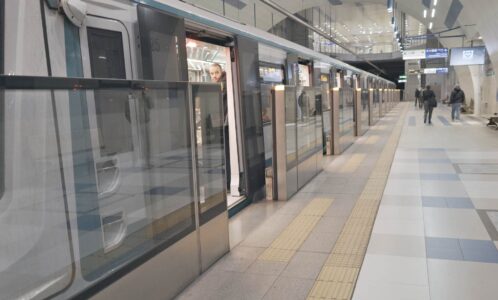
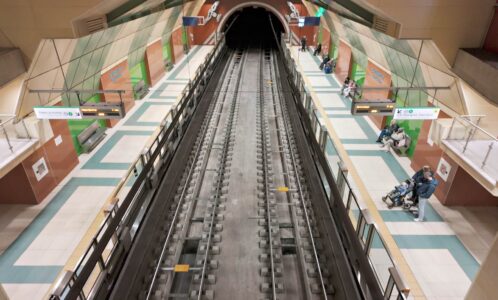
Many people still think of Sofia as a Soviet-era city in disrepair. But go underground, and this myth is shattered. The Sofia metro is a true departure from the norm. If you've been to Paris or New York, you know what an old subway is like: dirt, smell, rats, and often a sense of unease.
Here, it's the opposite. The Sofia metro was ranked among the cities with the best underground systems, taking a respectable second place just behind Oslo (passenger satisfaction index: 7.64 out of 10). It's incredibly clean, safe, and technologically advanced. The new stations on Line 3 have been equipped with automatic glass doors, preventing passengers from falling onto the tracks.
Interesting features of the metro:
-
Serdika station: The actual ruins of the ancient city's fortress walls are preserved right inside the station. You descend into the metro and find yourself in a free museum.
-
Safety: Zero aggression. No marginalized individuals, impeccable cleanliness, and navigation in English.
-
Smart payment: You don't need to buy tickets. Simply tap your bank card or phone at the turnstile. The system automatically counts your rides and will never charge you more than your daily limit.
Public transport prices (2025)
| Ticket Type / Services | Price (€) |
| One-time trip | 0.82 |
| Daily unlimited (maximum daily charge) | 2.00 |
| Personalized travel pass for 1 month | 19.00 |
| Regular travel pass for 1 month | 26.00 |
In Germany, that price would buy you just a couple of rides, but in Sofia, you get a month's worth of unlimited travel. This is 21st-century comfort at prices long unheard of in Western Europe.
For motorists: traffic jams and parking
But there's a big fly in the ointment for drivers. If you're used to relaxed driving in Varna or Burgas, Sofia will give you an adrenaline rush.
Aggressive driving and failure to keep a safe distance are common causes of minor accidents. This is why there are so many cars with dents and scratches on the roads. The average age of cars in Bulgaria is about 20 years, and there are only 5-6% new cars. Locals understand that in a big city, a car can easily be "rubbed in," so buying an expensive car is considered impractical.
The second problem is the total shortage of parking. Finding a spot downtown on a weekday is a real challenge.
Parking costs in the city center
| Parking zone | Price (€) | Time limit |
| Blue Zone (The very center) | 1.00 / hour | Maximum 2 hours |
| Green zone (Adjacent areas) | 0.50 / hour | Up to 4 hours |
Life hack for city visitors: Park your car in outlying areas (for example, in free parking lots near large stores) near a metro station. A 2-euro day pass for all modes of transport will save you a ton of time and hassle.


Climate and Geography: Life at the Foot of the Mountains
Sofia is located in western Bulgaria and surrounded by five mountains, the most prominent of which is the majestic Vitosha Mountain. The city center is over 500 meters above sea level.
The climate here is humid continental. The warmest month is July (averaging 21°C). Summers are more pleasant and cooler than the rest of Bulgaria. However, due to the altitude, winters in Sofia are harsher than on the coast: on cold days, temperatures can drop to -15°C. Daily fluctuations are also noticeable: in the morning, temperatures can reach 5°C, while in the afternoon, they reach 26°C.
Housing: Rental and Purchase Prices (2025)
Sofia's real estate rentals and purchases are among the most expensive in the country. The city is administratively divided into 24 districts, and prices vary significantly depending on infrastructure and prestige (for example, proximity to the modern Business Park).
Real rental prices
| Apartment type | District | Monthly rent (€) | Note |
| 1-room apartment (25 sq.m.) | Lozenets | 300 | Average price in the area is ~500€ |
| 2-room apartment (50 sq.m.) | Vitosha | 358 | Parterre. Average for the area: ~700€ |
| 2-room apartment (65 sq.m.) | Mladost-4 | 750 | Surcharge for proximity to the Business Park |
Buying apartments (new buildings and resale)
| Apartment type | District | Selling price (€) | Characteristics |
| 1-room | Student City | 119 000 | 37 sq.m., house built in 2018 |
| 2-room apartment | Raspberry Valley | 160 645 | 77 sq.m., new house (2024) |
Hidden costs (ATTENTION): Sofia has a central heating system (Toplofikatsiya). In winter, heating bills can reach 100-150 euros for a large apartment. Be sure to check this before signing a lease.
Economy and Work: Who Gets Paid in Sofia?
The average gross salary in Sofia is approximately €1,730. For comparison, it's €1,200 in Varna and €835 in Burgas. The main Jobs.bg portal lists over 11,000 vacancies in Sofia (compared to 1,000-2,000 in the regions).
The unemployment rate is phenomenal—just 1.61 percent of the population. That's practically full employment. While youth unemployment in Spain reaches 251 percent of the population, in Sofia, anyone with a head and a brain can find a job in a couple of days.
Real wages (2025)
| Profession / Field | Salary (€) | Format (Net/Gross) |
| Sales consultant | from 700 | Net (hand) |
| Driver (Category C) | from 1100 | Net (hand) |
| Cook | 1200 – 1550 | Gross |
| System administrator | 2000 – 2500 | Gross |
| Courier (if actively working) | up to 2500 | Net (hand) |
| Java Developer (Middle/Senior) | 3000 – 6000 | Net (hand) |
| AI engineer | 3500 – 6000 | Gross |
This means absolute freedom of choice for job seekers: you don't chase jobs, but jobs chase you. But for businesses, this presents a headache: due to a labor shortage, employees will have to pay the highest salaries in the country.
Safety and Medicine
Sofia's crime rate is extremely low for a capital city—around 12.5 crimes per 1,000 people. By comparison, this rate is 10 times higher in Paris and Brussels! Sofia has no dangerous ghettos where the police are afraid to enter.
The situation with healthcare is no worse. According to official data, in Sofia there is only 173 people per doctor. This is the "gold standard".
-
Varna: 192 people per doctor.
-
Burgas: 255 people.
-
Las Vegas (USA): 1,600 people.
In Sofia, you can schedule an appointment with a specialist for tomorrow or even today. There are no monstrous waiting lists like in Canada or the UK. Clinics compete for your appointment.
City Budget: Why Does Sofia Look So Contrasted?
Municipal expenditure per capita in Sofia is approximately €1,100 per year. The paradox is that coastal cities spend more (Burgas – €1,500, Varna – €1,340).
Why is this happening? About 351,000 rubles ($3,500) of Sofia's budget goes toward the salaries of a vast army of government officials, ministries, and agencies. Only 231,000 rubles ($3,500) of the budget is left for actual construction and improvements ("concrete"). This is why the capital is changing more slowly than coastal Burgas, and its streets contrast with luxurious business centers and crumbling sidewalks.
Summary: 10 Pros and 10 Cons of Sofia
✅ 10 Pros of Sofia
-
Mountain view: Snow-capped peaks of Vitosha right from the window.
-
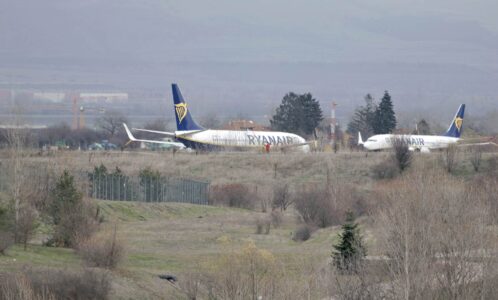
Airport hub: A huge selection of direct and cheap flights around the world.
-
Proximity to Greece: Just 3 hours by car and you are on the Aegean Sea.
-
Tasty water: Soft water, hot mineral springs right in the city center.
-
Purity: The streets are noticeably cleaner than in many regions of the country.
-
Choice of housing: The largest and most diverse real estate market in Bulgaria.
-
Ideal metro: Safe, beautiful and cheap.
-
Safety: No ghettos and extremely low crime rates.
-
Income and career: The highest salaries and an endless choice of vacancies.
-
Excellent service: Fast same-day deliveries and luxurious home internet for 10-20 euros.
❌ 10 Cons of Sofia
-
Earthquake risk: The city is located in a seismically active zone.
-
Harsh winter: Cold, snow and ice are a reality, unlike on the coast.
-
Traffic jams and drivers: Heavy traffic, parking problems and aggressive driving.
-
Street closures: Frequent protests and visits by politicians paralyze the center.
-
Huge distances: The commute to work or school can take 1-2 hours a day.
-
Temperature changes: Sharp jumps from +5°C in the morning to +20°C in the afternoon.
-
Smog and ecology: In winter, a dome of smog often hangs over the city due to stove heating in the private sector.
-
Expensive rent: The highest cost of living and housing in the country.
-
Lack of sea: For a beach holiday you'll have to go to Greece or the east of the country.
-
Inhomogeneous medium: The glitter of elite districts often coexists with shabby facades and beggars in the underpasses.
Who is moving to Sofia suitable for?
Sofia is perfect for:
-
For careerists and ambitious professionals (especially in IT). This is the only city in the country where you can build a career with an international corporation.
-
For those who are looking for a metropolitan, active rhythm of life.
-
For students and families with children (there is the best choice of schools and 22 universities).
-
For lovers of mountains, active recreation and frequent travel abroad.
Sofia is definitely NOT suitable:
-
For those who dream of a relaxed life by the sea (it is better to choose Nessebar, Varna or Burgas).
-
For allergy sufferers and people sensitive to air purity (due to winter smog).
-
For those who hate traffic jams and crowds.
-
For freelancers who value affordability, living off a remote income in the countryside is much more profitable.
-
For wealthy pensioners without their own home, rent will eat up a significant portion of their budget.
Video version of the article:

 Русский
  English
  Български
  Deutsch
  Română
  Українська
  Polski